
Cuba, como te extraño, aun cuando estoy contigo. /Cuba how I miss you, even when I am with you.
The Vesak 2026 visit
5/21/20268 min read
La Habana, Cuba April 27 – May 6, 2026
(photographs by the author)
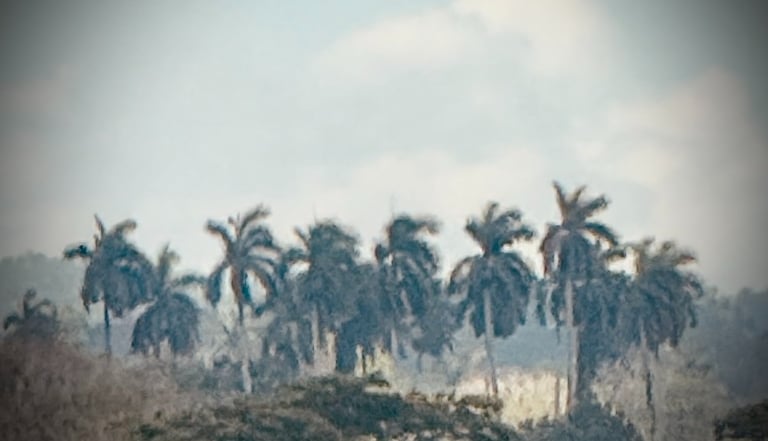
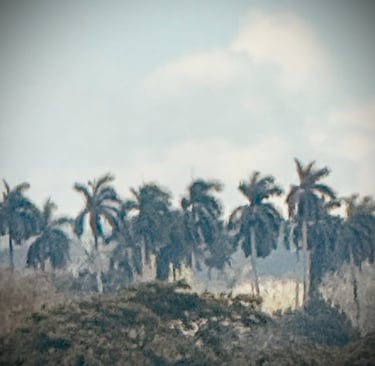
I was five-years-old when we left Cuba but the image of Royal Palms along lush country hills on my great grandparent’s farm in Mabuya, endures like a scratchy old photograph which doesn't exist. I recall the memory fairly well; a very happy toddler running wild under the careful watch of a mother, grandmother and great-grandmother around every adventurous corner of a working 750 acre farm. That farm of my early childhood no longer exists. That Cuba no longer exists. It was this latest visit in which I was able to understand that after healing comes grief.
In Cuba, cityscapes boldly proclaim the three characteristics to anyone paying attention. The First Noble Truth is plainly evident. In the midst of this and many challenges, Theravada Cuba has persevered and prospered . We nurture the seeds of Dhamma on Cuban soil. It has required energy and effort and an ever- calibrating process of changing with the flow. Suffering is a cause for a spiritual search, of questioning dukkha, of sowing the seeds of wisdom. This is also plainly evident here.
Sanditthiko Vihara opened its doors this past February 15 after many weeks of restoration and repairs of the abandoned space. Its unassuming entrance at a busy commercial intersection of Centro Habana protects its meaning and intention. Sanditthiko Vihara is the first Theravada Casa in Cuba to our knowledge. Our focus right now is to provide a proper environment for monastic residents and visitors, balanced well with the educational needs of the community. Theravada Cuba and Sanditthiko Vihara offer an Asian forest- style Dhamma and Discipline in the urban crescendo of Centro Habana dukkha. Dukkha dukkha.
Our youthful inexperienced outlook hadn’t taken into account the monumental task of establishing a Theravada vihara within the imprisoning economic bars set up facing each other across the Caribbean Sea. The glaring absence of a resident teacher seemed to complicate and multiply our tasks. The reality of our beautiful intention for Sanditthiko Vihara was not meeting with the reality of the experience. Though we don't lack aspiration or motivation, we lack training in proper monastic protocols as a community and as individuals. As the future leaders of a young community, sāmaneras Mettānanda and Akiñcano and nekkhamma Sīvālī are Dhamma students, trainees in the Dhamma, first and foremost. We closed the Vihara five days a week so that the Dhamma students could have time to study and practice. A closed vihara doesn't begin to offer what we intended.
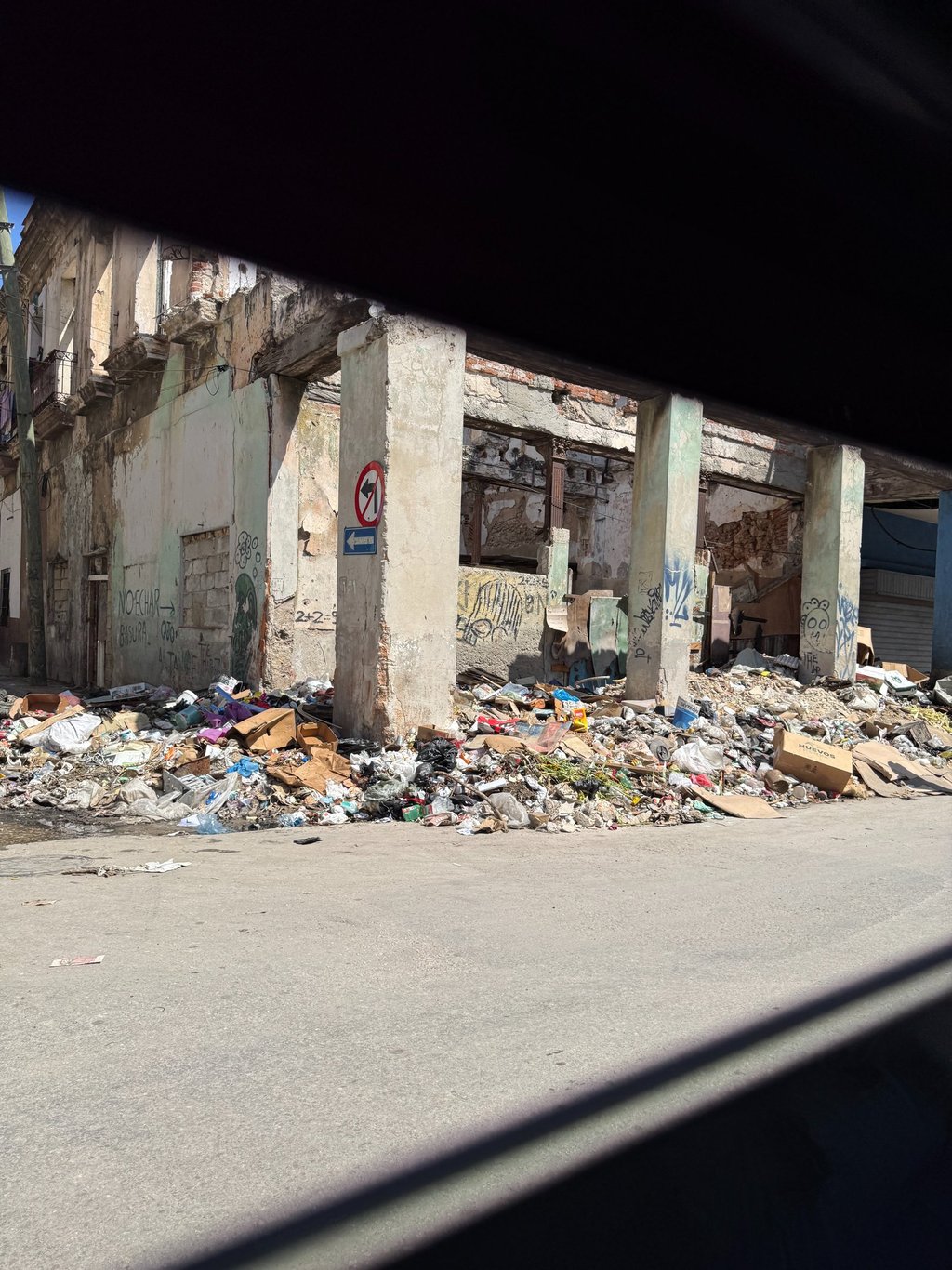
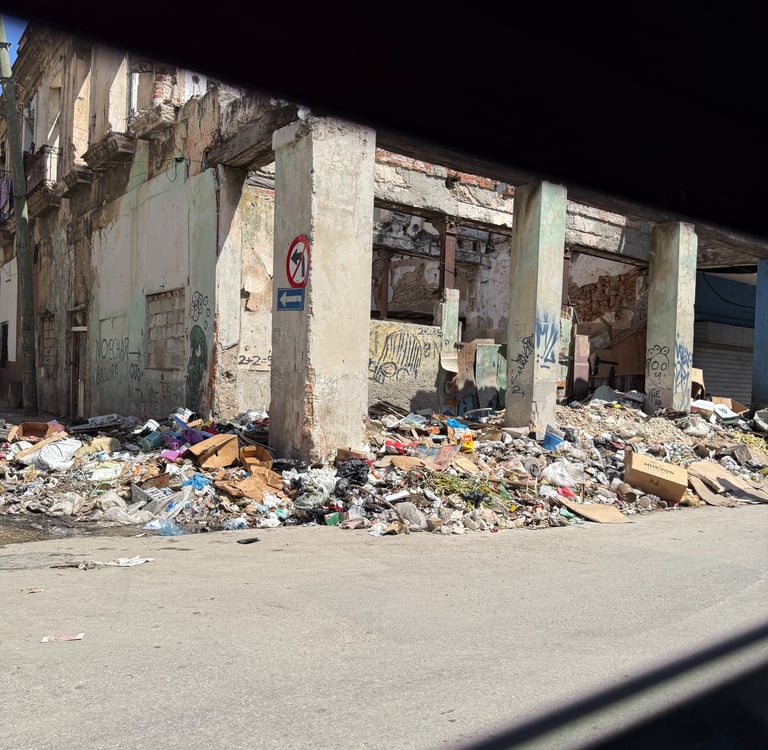
The landscape of deterioration and destruction surrounding Sanditthiko Vihara, appears like an effect of war but not a war of bombs. This has been a political and economic war since 1959. After six decades of a rhetoric based on greed, hatred and delusion, the concrete colonial architecture crumbles. Balconies fail, facades fall, trees grow on collapsing rooftops. Garbage piling at street corners call an increasing number of abandoned street dogs and cats, flies, mosquitoes, rats and an occasional human [mostly elderly seeking something to resell]. And though this seems like it has been the direction for years, it’s powerful to drive through blocks and blocks of garbage and falling buildings.
The streets of Centro Habana
Sanditthiko is squeezed between two towering buildings each bleeding an occasional brick and mortar onto Sanditthiko Vihara's single story. Mettānanda and Akiñcano describe music blasting all night and into dawn, televisions blaring, adults arguing, babies crying, pigs squealing… through the open windows of shared exterior walls.
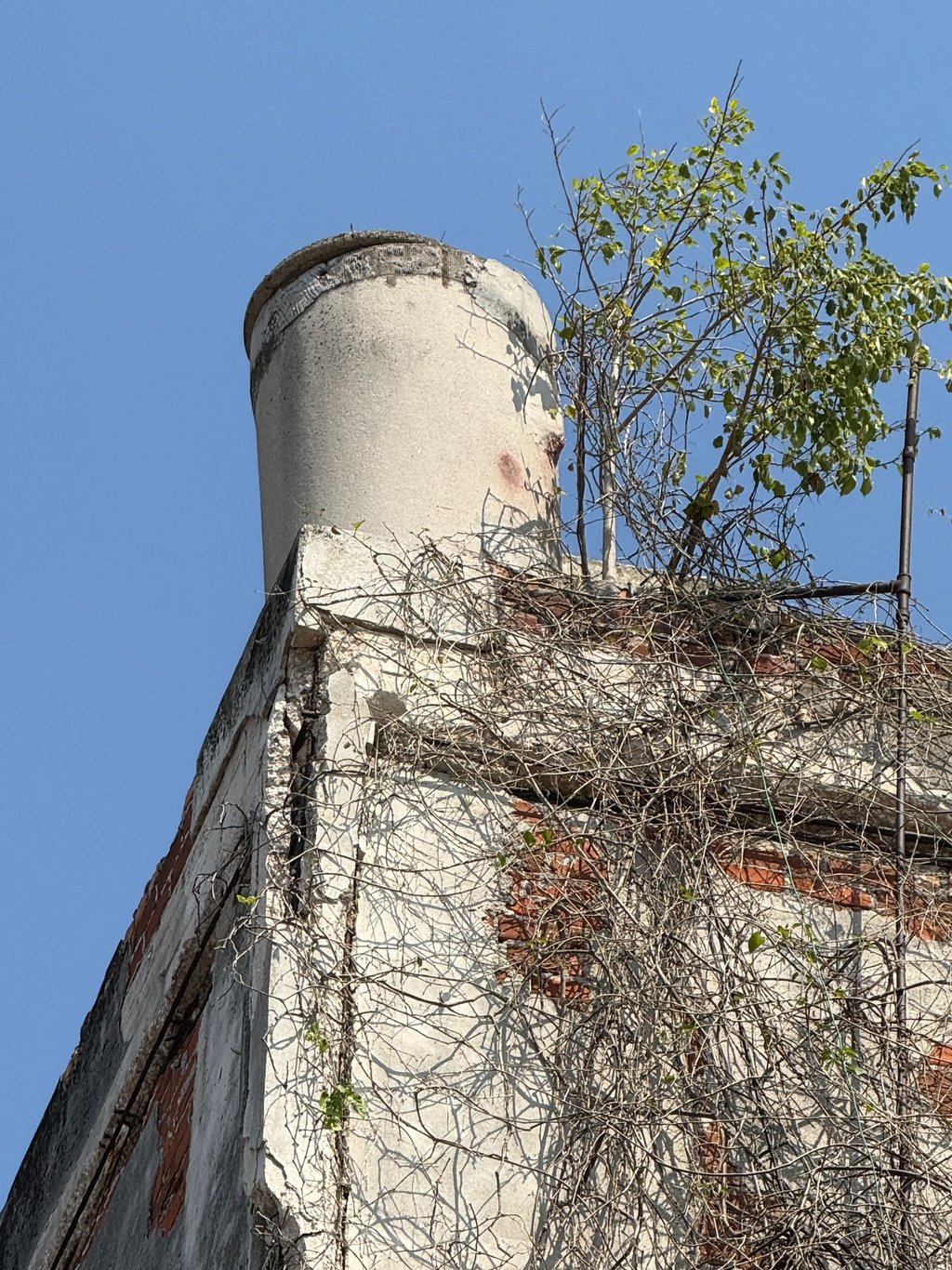
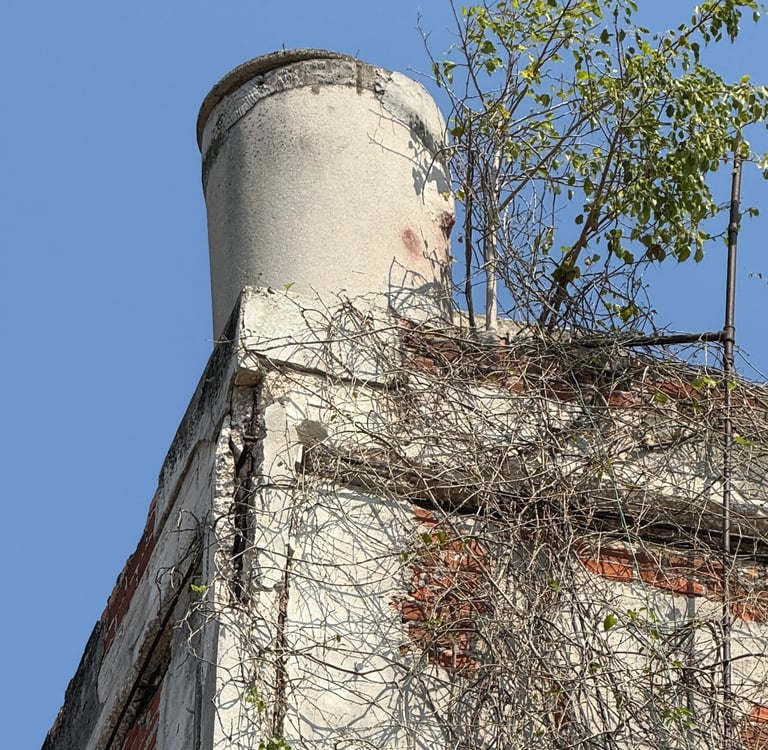
a concrete water tank over a crumbling edge above the Sanditthiko Vihara building.
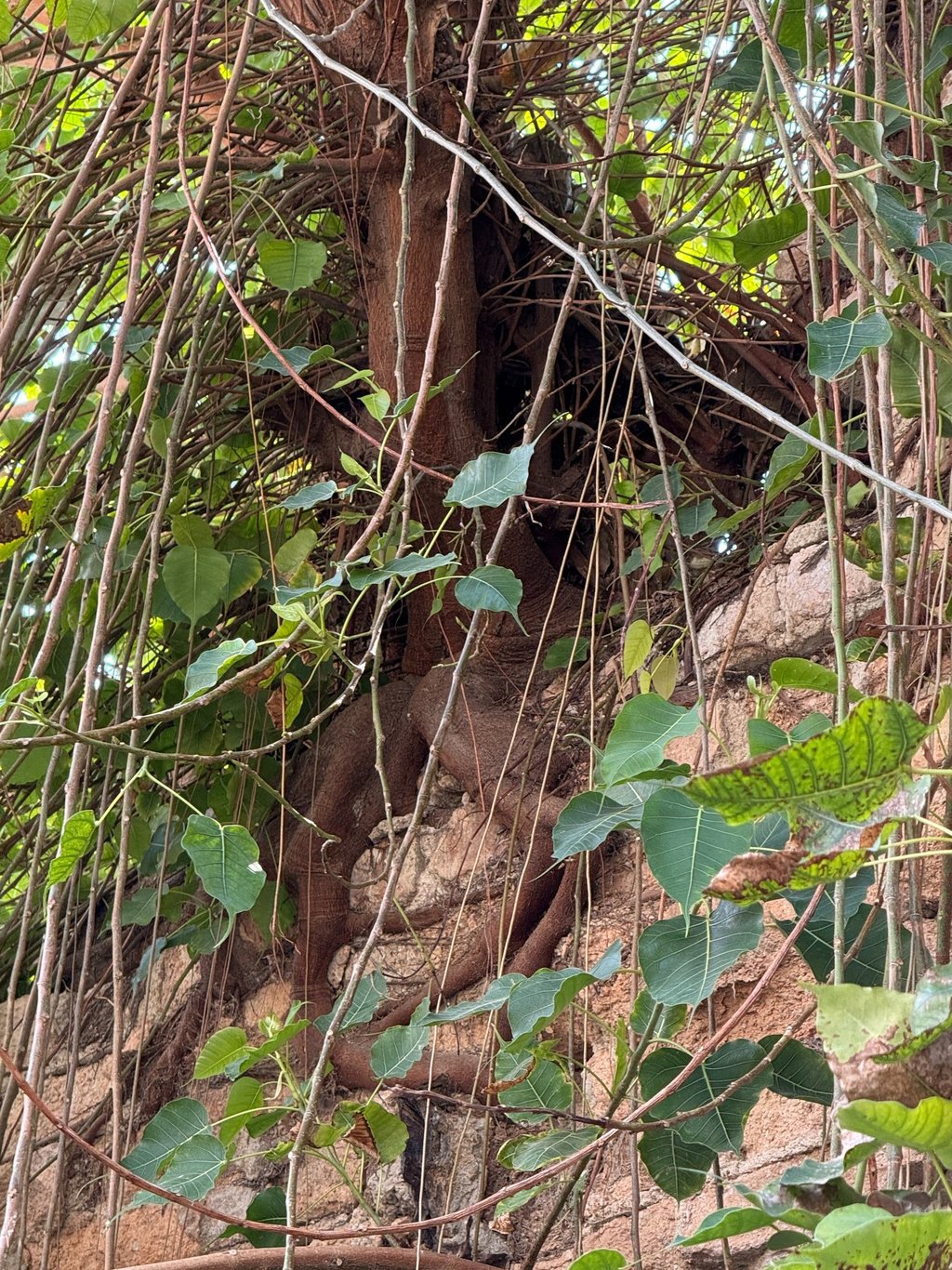
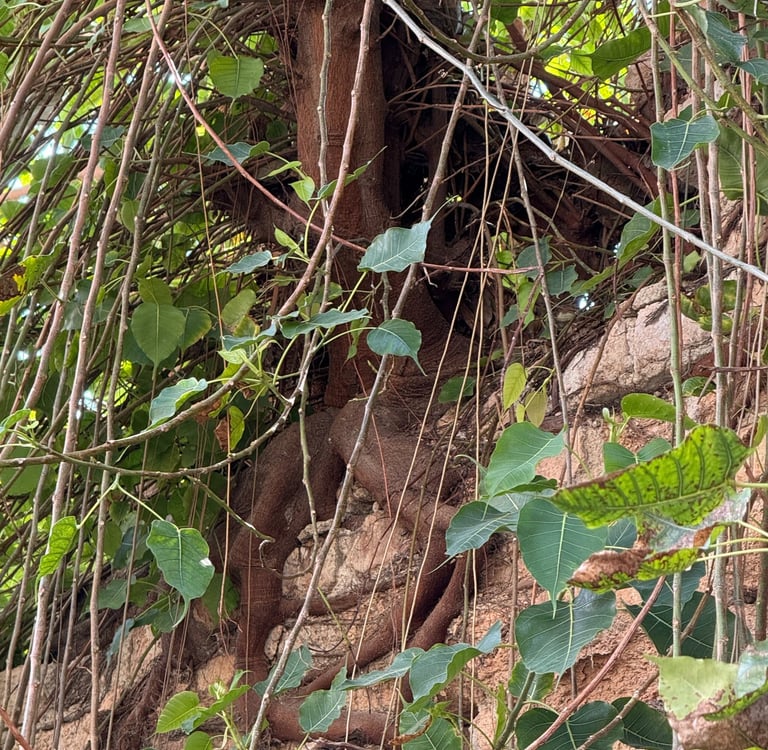
a Bodhi tree growing on a rooftop with roots breaking the courtyard wall shared with Sanditthiko Vihara
For Theravada Cuba there has been a growing ease, now settling into this comforting reunion, the first in six months and the first time in our own space. Akiñcano says the building which houses Sanditthiko Vihara and Dhammasālā used to be a bakery. A long and open- air hallway leads to the entrances to individual apartments, mostly empty. The Dhammasālā is situated outdoors in a small backyard. Mettānanda said this space was probably the bakery’s huge wood-fired oven. It is certainly huge for an oven but for an enthusiastic community, already a bit small. For the Vesak celebration two members sat just outside the doorway because there was no space inside.
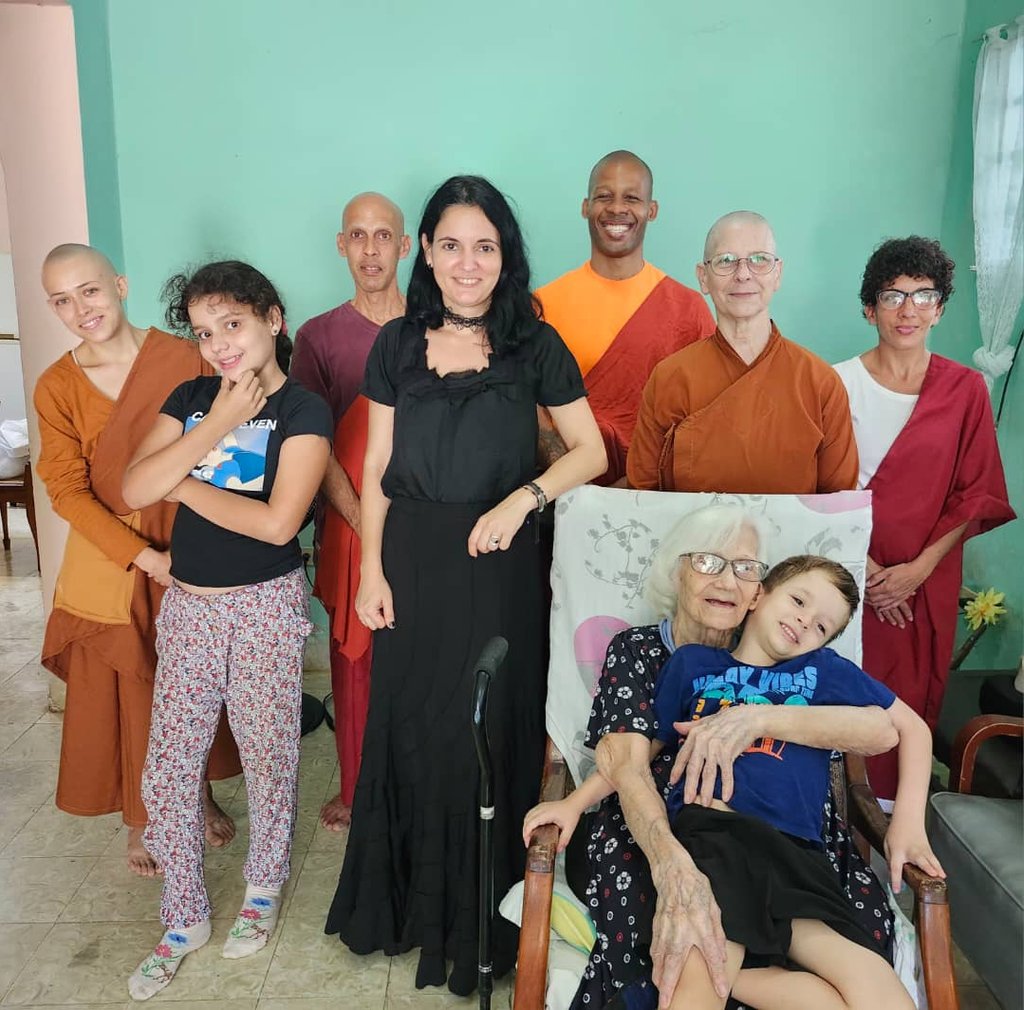
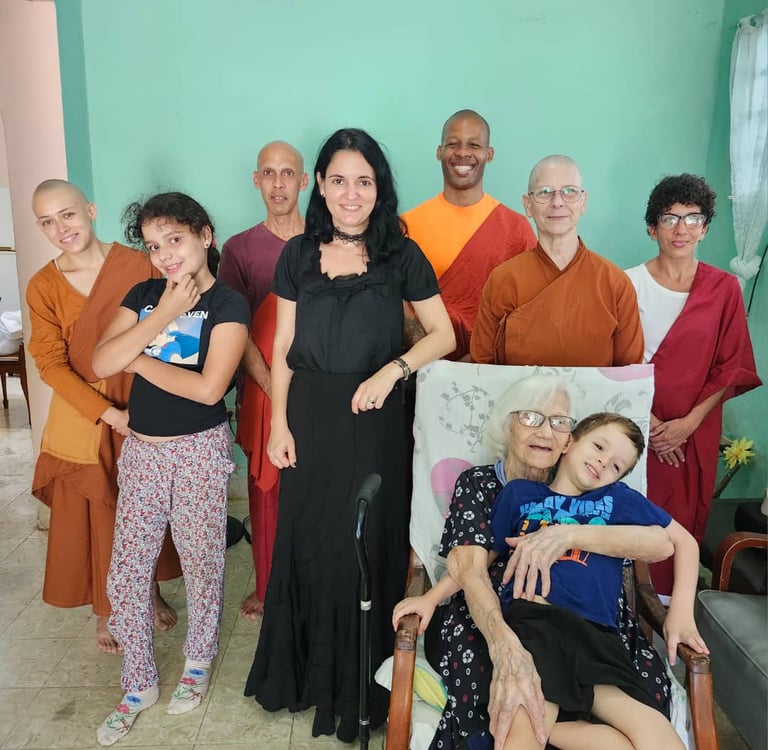
As we do each visit, our core group went to Cerro to visit my now 91-year-old aunt (Tía in spanish). This visit is a highlight for us and for her. It has become a tradition. My aunt's home is a place where our group can relax in a very warm and loving environment. Our group is always welcomed and treated with kindness not just by my aunt but by her neighbors. We've discussed so many precious possibilities in her living room. Tia’s sister (my mother), donated the dāna of transportation and a restaurant meal delivered for all of us.
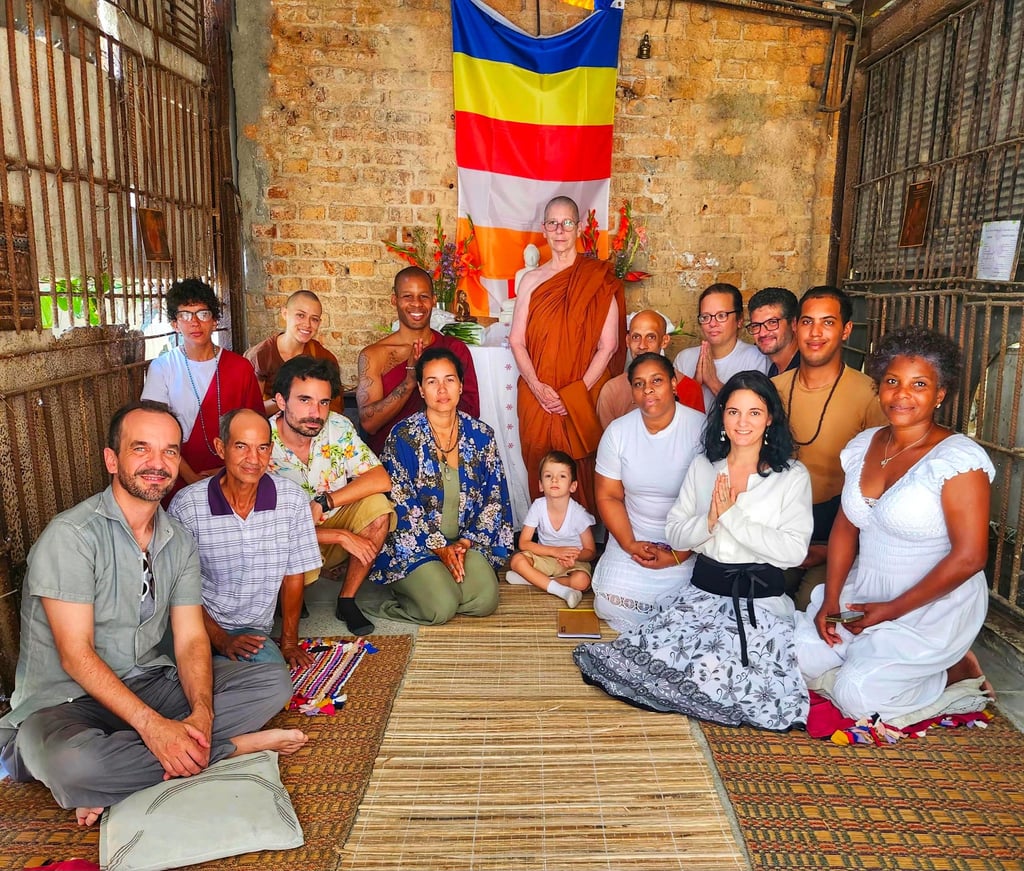
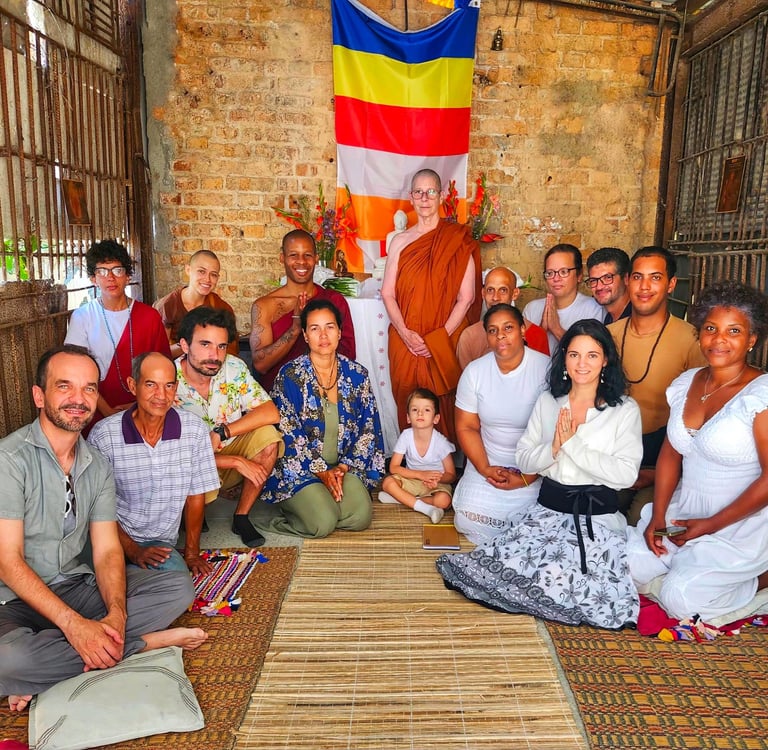
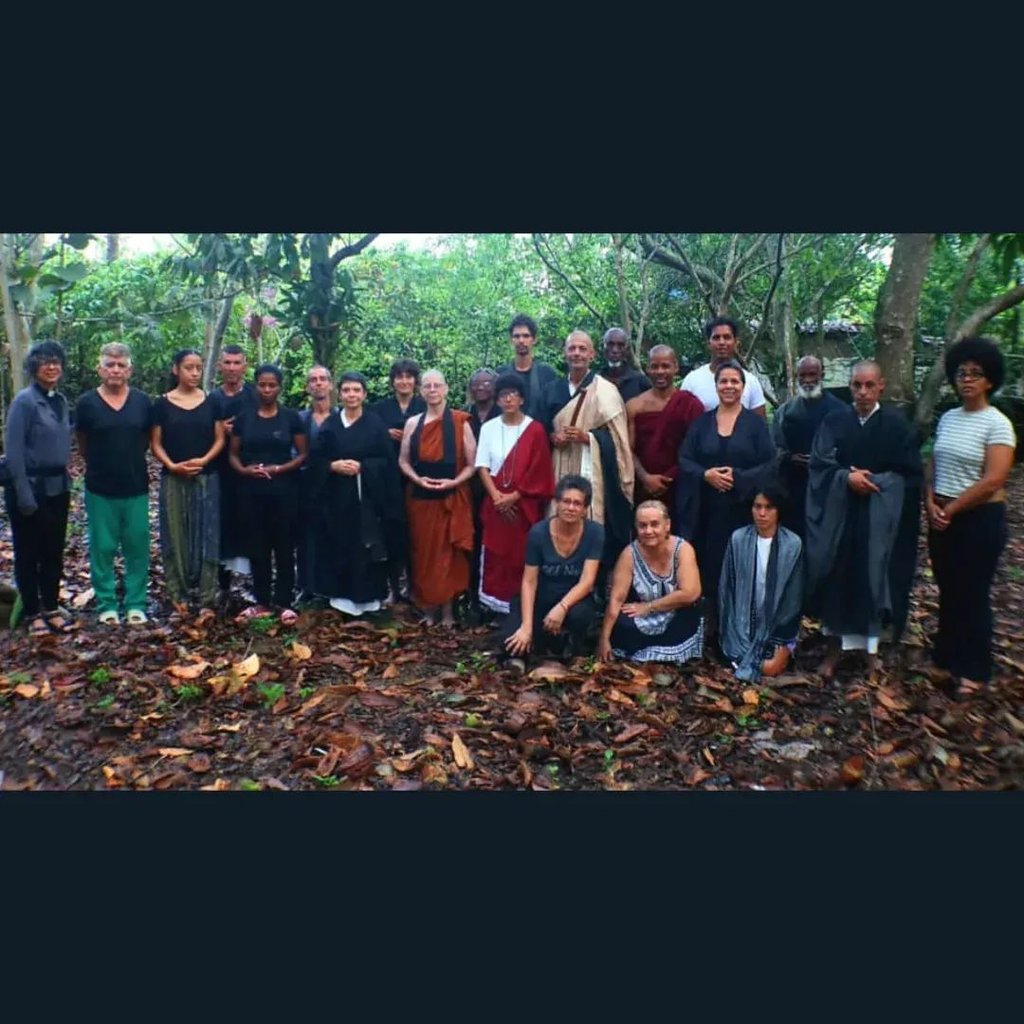
Seventeen of us gathered in our Dhammasālā to celebrate the first Vesak at Sanditthiko. Anumodana for the dāna that day and for everyday🌻.
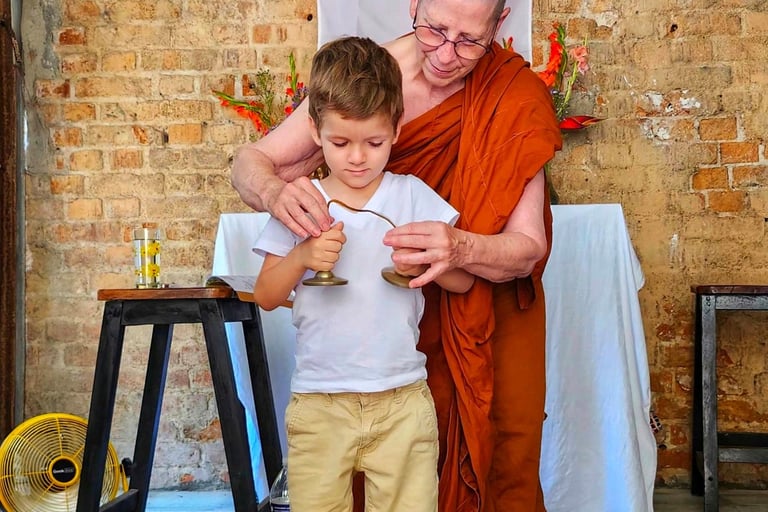
Attending were a variety of professions, meditative levels, aspirations and our young Bodhisattva/ official temple bell ringer.
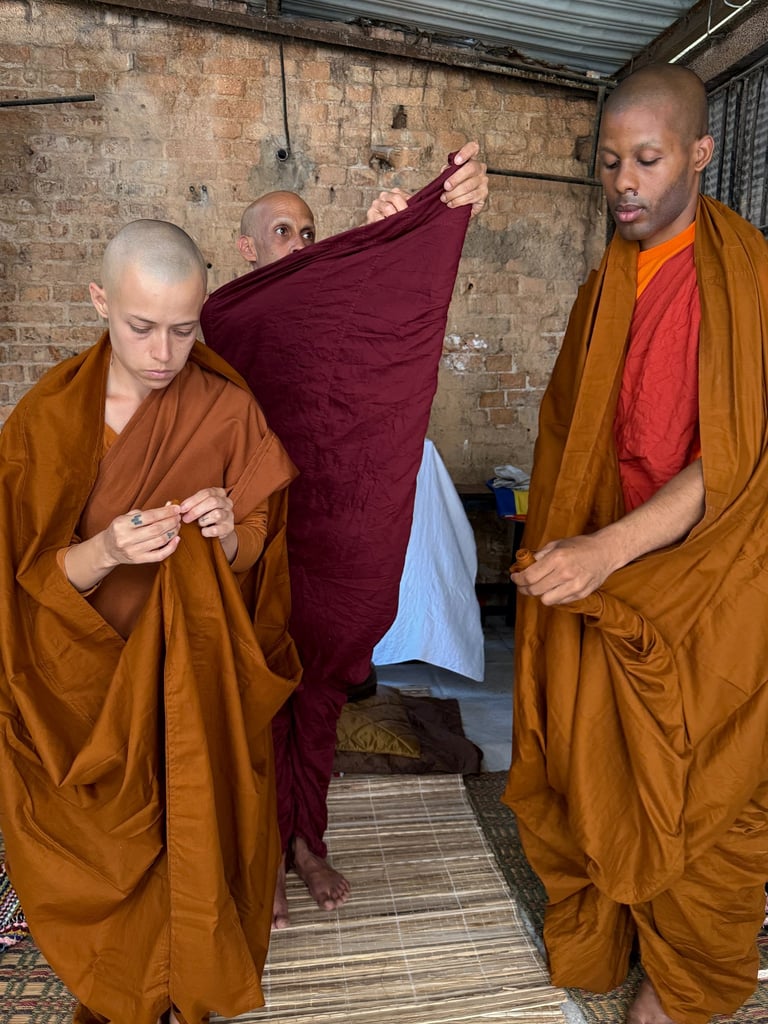
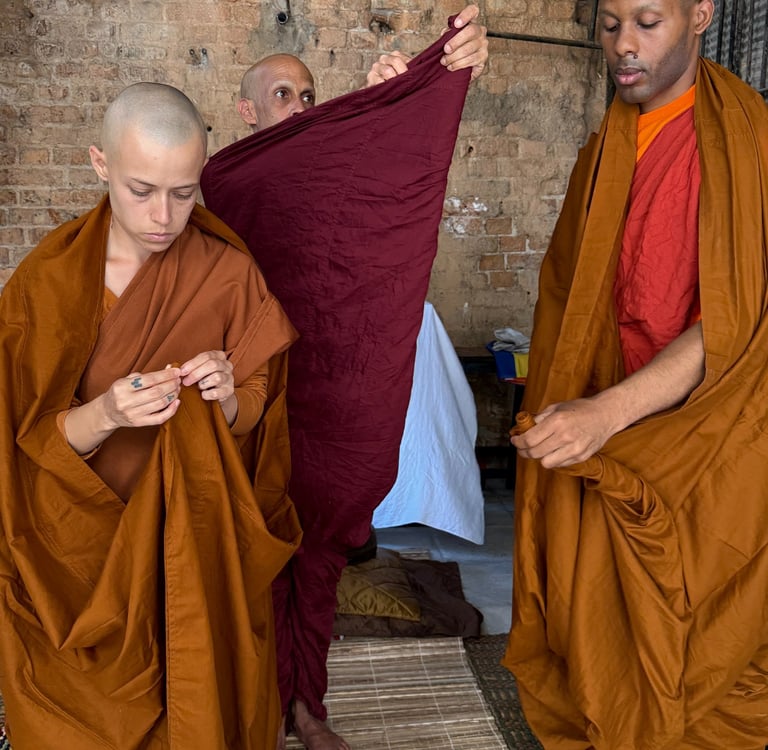
Refuge and the five and eight precepts were requested and offered. Missing were very dear friends who have since emigrated or who were unable to attend due to transportation impossibilities or health. Our eight-precept, co-director Beatriz received her Dhamma name – Karunika. Our ten- precept renunciant (nekkhamma) Sīvālī, received robes and bowl. Sāmanera Mettānanda had been offering robe wearing lessons the day before. It was the method, he repeatedly mentioned, that Venerable Kaccāyana Bhikkhunī (Dhammadharini) had taught him in India.
The next day, Saturday May 2nd, Akiñcano and Sīvālī set out for their destinations. Nekkhamma Sīvālī would return to Colombia where she is a primary caregiver. Akiñcano was bound for Canada for a retreat at Arrow River Hermitage and to receive sāmanera pabbajjā.
Mettānanda, Karunika, and founding members Adan and Mariela (also a founding Cuban donor and long-time student of Sensei Tai Hei) and I were off to spend three days at Kosenshinji in their interfaith Sesshin. We have a good relationship with Sensei. Since our first visit, Theravada Cuba has sought common ground among us all of so many faiths. We have only maintained a strict dividing line from those who worship with animal sacrifice which is shockingly commonplace in Cuba.
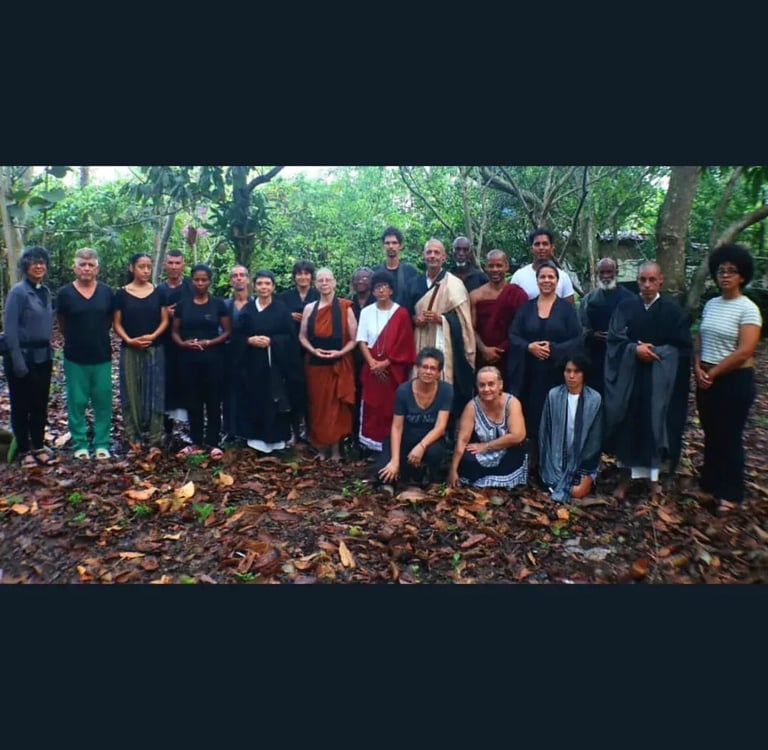
The three day retreat (Sesshin) in the countryside was refreshing and restorative. I taught on Sunday and it was a great experience to interact with the yogis. Sāmanera Mettānanda and I revisited a longstanding conversation about a search for a Theravada Cuba hermitage away from Havana. The economic embargo imposed by the U.S. on Cuba reaches into and blocks every possibility. The embargo closes our potential avenues to transfer our donations from here (U.S.) to there (Cuba). The legal complexity to send donations to Cuba for rent or leasing (usofructo) property is more than our young “organization” can presently support. This, it bears saying, is solely due to the U.S. embargo and sanctions on Cuba. Putting this long-cherished project aside has been surprisingly easy. Though sometimes there is a ping’ing of sorrow, mostly there is acceptance. We have Sanditthiko Vihara for now. Maybe someday the situation will be different.
When I first returned to Cuba after 45 years of absence, I was unknowingly looking for healing. It was here that my great grandfather hanged himself fearing the loss of his farm to the "revolution". It was here that I was sexually abused in a daycare center. It was here that I was bringing the Dhamma but also here that I was bringing a child still in pain. This was our 7th visit in two years. We have celebrated two Vesaks here. We have a community here also in need of healing. No one survives such systemic neglect from their leaders without darker mental formations. For some ignorance reaches all the way through but sometimes ignorance reaches only so deep until it meets with a version of hope buried beneath the piling of years. There between ignorance and a hope without mooring is a fertile ground for Sanditthiko Vihara. We have dedicated Dhamma practitioners here now planting their practice just within this space where ignorance would have liked to completely block out the sun's rays but hope has kept a window open and now a Theravada Dhamma community surveys their small plot and nods... "yup, let's grow here."
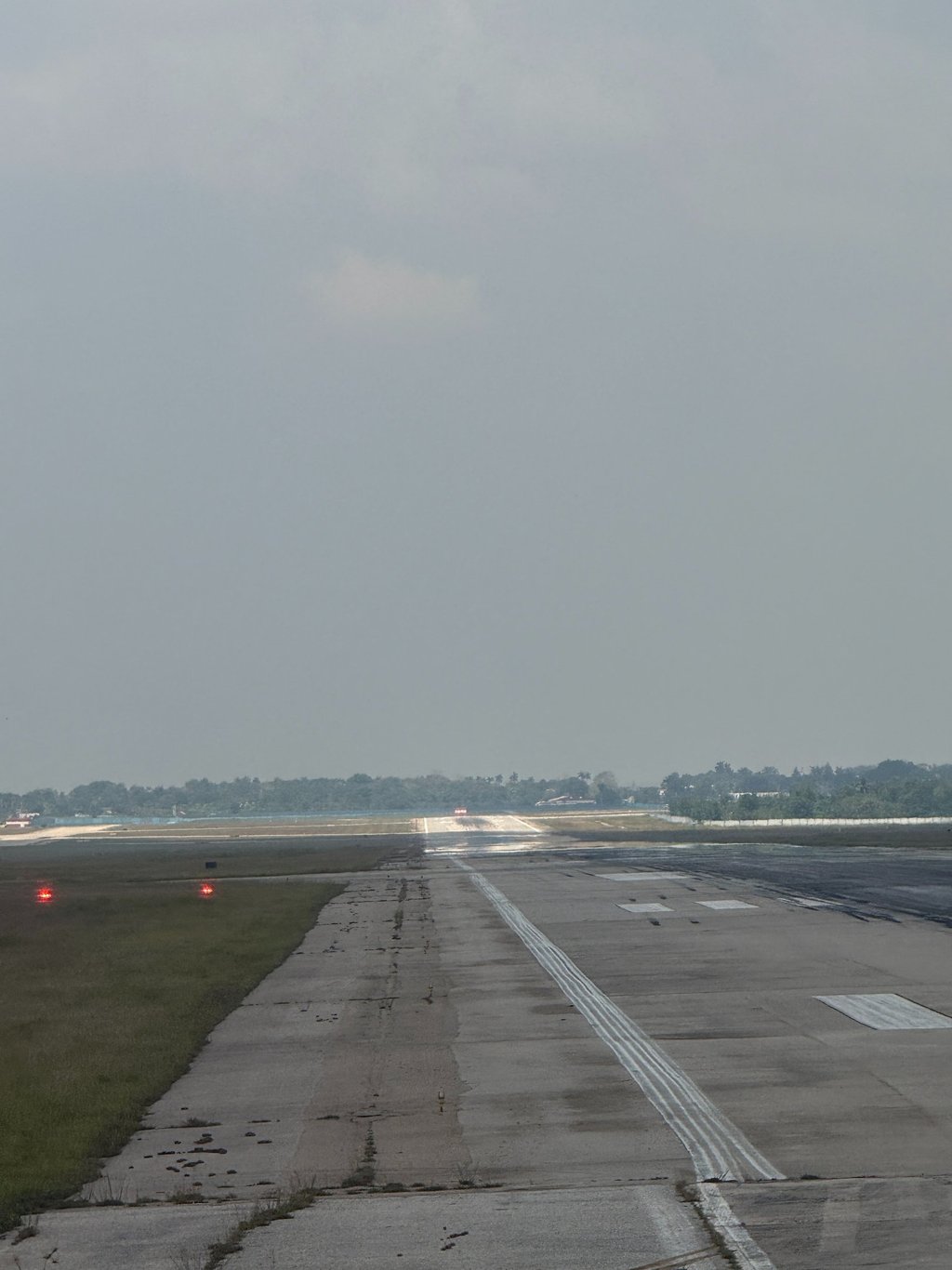
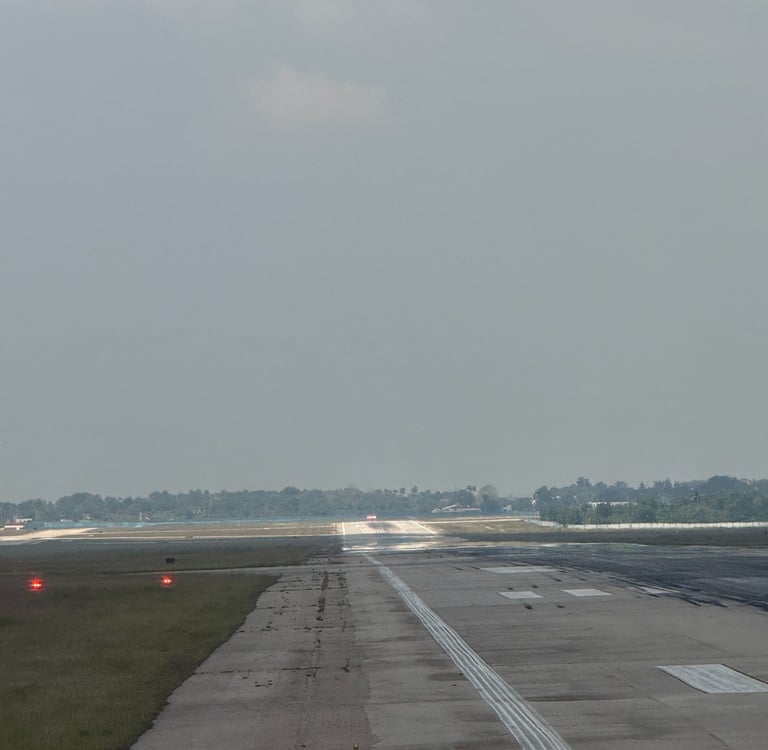
The Dhamma is the only thing that is precious enough to share with anyone who will listen. Listening is important. The ten -day visit was quickly over. Still, as I peered down the runway before the plane began its take off, there was more than the usual “until next time…” melancholy glance. There is a very possible military involvement before next time. There will be more emigration, more illness, mosquito-borne viruses more rampant due to longer power outages and less garbage collection, more hunger, theft, and increased street violence. Cuba has been steadily veering toward this with every visit. Yet with every visit, including this visit, in the midst of this scarcity and decline, Theravada Cuba has prospered. It has been sought for and cared for by Cubans in the very midst of poverty, scarcity, disease and uncertainty.
We've sprouted in dukkha. TC is that Dhamma seed that falls in harsh roadside conditions, yet takes root however precariously, sprouts with minimal rainfall and unfurls a shiny green leaf in the scorching heat. It's like this. We've established while a humanitarian crisis deepens. The Dhamma grows too because it is what we seek in times of dukkha. It isn't without grief but grieving is also a step toward sanity, toward wellness, and peace. Just a step, not a landing.
And we aren’t necessarily building this for ourselves. We may not know the people who make use of what we are putting together. Every visit is different, this time was almost certainly the roughest I have seen Havana. There seemed to be more tension in the air yet we were receiving unexpected donations. Each time, lifting us up from uncertainty into the light for another month. Donations for TC have been good this year. We’re supported with basic necessities for long power outages (like rechargeable light bulbs and fans). Sanditthiko Vihara receives dāna regularly both locally and internationally. But around us, the cityscape and country is crumbling and falling down and there’s not enough sugar to coat this into a sweeter version of a systemic collapse.
Meanwhile we continue with plans to send Sāmanera Mettānanda for training again soon. Sāmanera Akiñcano is also now in training. We may have an upasampada in Cuba in a few years time. We continue.
We wish for all beings in Cuba and everywhere to find freedom from suffering.
May the devas rejoice in our merit.
May the fearstruck be free from fear.